


The Dirty Word: “Marketing”

Let me say something that may make some attorneys uncomfortable: if your estate planning practice isn’t growing consistently, it’s probably not the economy. It’s probably your marketing.
And before you react to that word — marketing — let’s be honest. Some lawyers say “marketing” the way they say “audit.” I’ve heard it all: “I don’t advertise.” “My work speaks for itself.” “I rely on referrals.”
I understand the sentiment. Most of us didn’t go to law school to become marketers. But if you own your practice, you’re not just a lawyer — you’re a business owner. And every business owner markets, whether intentionally or accidentally. The real question is whether you’re controlling that process or simply hoping things work out.
Hope, by the way, is not a strategy.
When someone tells me they’re too busy to market, I don’t argue. I ask a simple question: how many free consultations are you doing each week? Because that is marketing — it’s just reactive marketing. You’re giving away your time, hoping prospects hire you, and quietly wondering whether they’re comparing you to someone down the street who charges less.
That’s not a system. It’s stress. And being busy is not the same as growing.
I learned this lesson the hard way more than 40 years ago when I started building my practice. Like many attorneys, I assumed that if I simply did excellent legal work, growth would follow automatically. It didn’t. Good work is expected; it’s the baseline. It’s not what makes the phone ring.
What changed everything for me was recognizing a simple truth about estate planning clients: they don’t wake up excited to buy a trust. They wake up concerned — about taxes, about their children, about making the wrong decision. That means your marketing must educate, build trust, and establish authority long before someone ever walks into your office.
Once I built systems around that reality, everything changed. The prospects were better qualified. Closing percentages improved. Wasted time decreased. Growth became predictable. And yes, revenue improved as well.
Successful estate planning marketing isn’t flashy or gimmicky. It’s structured. It requires clear positioning in your marketplace, a consistent method for attracting qualified prospects, a defined consultation process designed to convert, disciplined follow-up, and ongoing consistency. Not randomness. Not “let’s see what happens this month.” A structured approach you can rely on.Over the years, attorneys have often asked me, “What exactly are you doing?” So I put it into writing. In my 31-page downloadable PDF, How to Successfully Market an Estate Planning Practice, I outline the same proven strategies I’ve used for decades to build a predictable, sustainable practice. No gimmicks. Just what works.
ABOUT THE AUTHOR
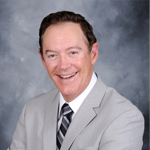
Attorney Philip J. Kavesh is the principal of one of the largest estate planning and administration firms in California—Kavesh, Minor and Otis—which has been in business since 1981. He is also the President of The Ultimate Estate Planner, Inc., which provides a variety of training, marketing, and practice-building products and services for estate planning professionals.